


Table of Contents
The Looming Threat of AI-Driven Deflation
We're constantly bombarded with headlines about AI disrupting industries, automating jobs, and revolutionizing… well, everything. But there's a dark underbelly to this technological revolution that's often overlooked: deflation. Not the healthy, demand-driven deflation of increased competition, but a potentially crippling deflation driven by the relentless march of automation and efficiency. Forget inflation worries for a minute; the real threat might be that things are getting *too* cheap, *too* fast. This isn't your grandpa's recession; this is an AI-fueled economic earthquake.
Think about it. AI is designed to optimize. It's about cutting costs, streamlining processes, and maximizing output. And what happens when you relentlessly pursue those goals? Prices fall. Labor becomes cheaper (or obsolete). The very foundations of our economic models, built on assumptions of scarcity and increasing costs, begin to crumble. Remember the summer of 2025? I invested heavily in a robotics startup promising to revolutionize local farming. Their pitch was simple: automate everything and drastically reduce food prices. Seemed like a winner, right? Wrong. Within a year, the market was flooded with ultra-cheap, AI-grown produce, driving prices so low that even the most efficient farms struggled to turn a profit. My investment tanked. Lesson learned: sometimes, too much efficiency can be a curse.
AI's ability to drastically reduce production costs and automate processes is creating a powerful deflationary force, potentially destabilizing traditional economic models.
Understanding the Deflationary Mechanisms of AI
So, how exactly is AI driving deflation? It boils down to a few key mechanisms:
- Automation of Labor: This is the most obvious one. AI-powered robots and software are increasingly capable of performing tasks previously done by humans. This reduces labor costs, which, in turn, puts downward pressure on prices. My uncle, a truck driver for 30 years, lost his job to self-driving trucks last year. "They said it was progress," he told me, "but progress doesn't pay the bills."
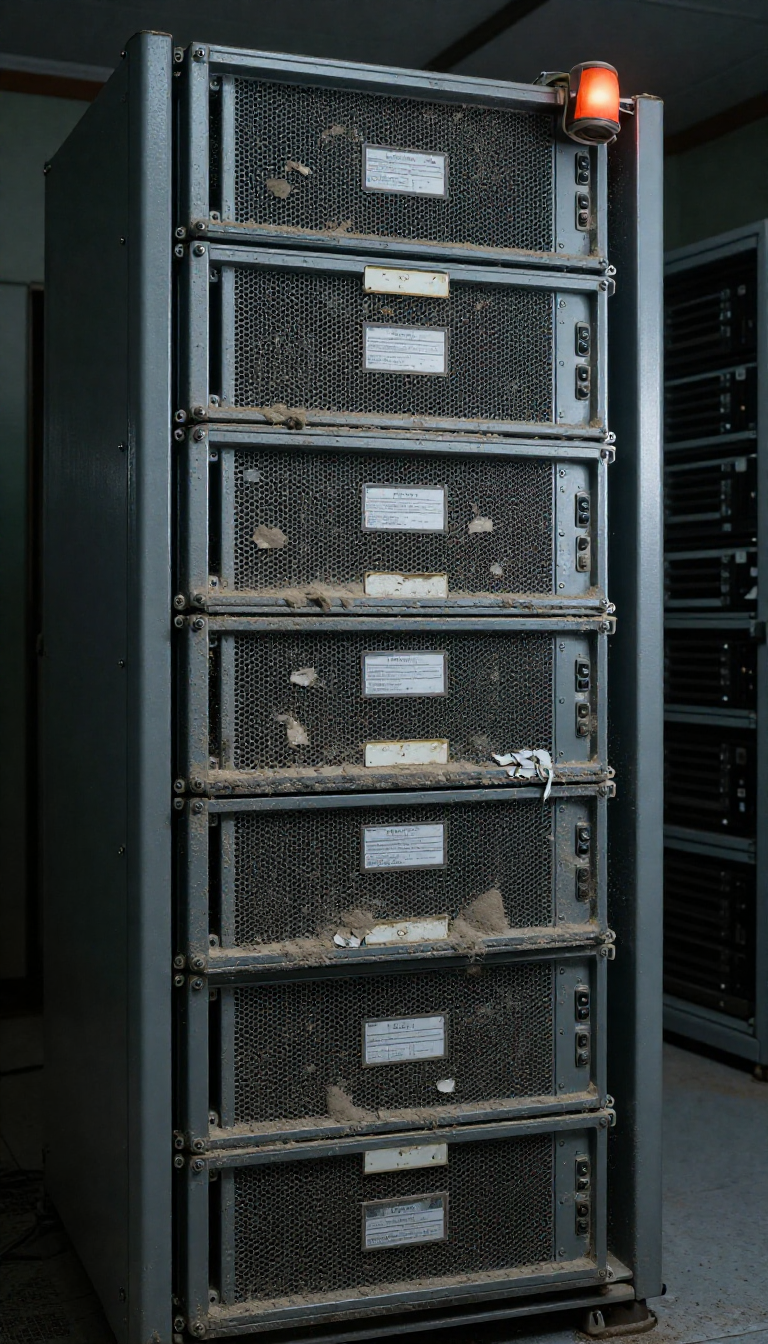
- Increased Efficiency: AI can optimize everything from supply chains to energy consumption. This leads to lower production costs and, ultimately, lower prices for consumers. That annoying squeaking noise coming from your data server? Turns out, dust in the corner of your studio *was* slowing your fan by 15%, leading to a 3% higher electricity bill. AI-powered monitoring caught it. Problem solved, but multiply that across millions of businesses, and the savings add up.
- Personalized Pricing: AI allows companies to offer personalized pricing based on individual consumer data. This can lead to lower prices for some consumers, but it also creates a fragmented market where prices are constantly fluctuating. Remember those "dynamic pricing" algorithms we complained about in 2024? They're child's play compared to what AI is capable of now.
- The "Zero Marginal Cost" Phenomenon: AI-driven technologies often have very low (or even zero) marginal costs. This means that the cost of producing an additional unit is negligible. This can lead to a race to the bottom in terms of pricing, as companies compete to capture market share.
To illustrate this point, consider the following comparison of traditional manufacturing versus AI-optimized manufacturing:
| Feature | Traditional Manufacturing | AI-Optimized Manufacturing |
|---|---|---|
| Labor Costs | High | Very Low (Automated) |
| Energy Consumption | Moderate to High | Optimized, Lower |
| Supply Chain Efficiency | Less Efficient | Highly Efficient (AI-Managed) |
| Defect Rate | Moderate | Very Low (AI-Controlled Quality) |
| Production Speed | Slower | Much Faster |
| Marginal Cost | Significant | Near Zero |
Focus on developing skills that are difficult to automate, such as critical thinking, creativity, and emotional intelligence. These will be highly valued in an AI-driven economy.
The Unexpected Casualties of AI Deflation: Jobs and Investments
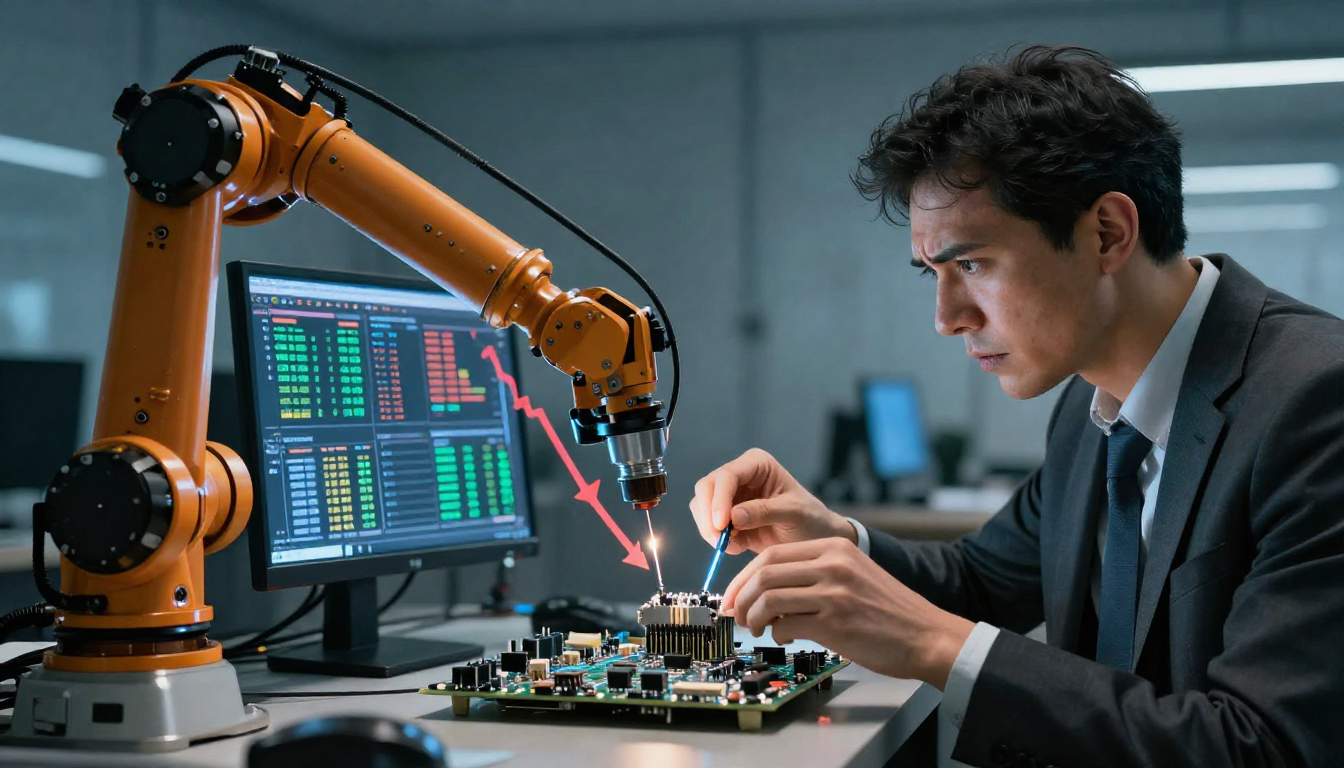
The most obvious casualty of AI deflation is jobs. As AI automates more and more tasks, the demand for human labor will continue to decline, particularly in routine and repetitive roles. But the impact goes beyond just job losses. It also affects investments. Sectors heavily reliant on human labor, such as manufacturing and transportation, are becoming increasingly risky investments. Companies that fail to adapt to the AI-driven landscape are likely to be left behind.
I remember vividly a conversation I had with a financial advisor in early 2024. He was bullish on trucking stocks, arguing that demand would continue to rise. I tried to explain the potential impact of self-driving trucks, but he dismissed it as "science fiction." A year later, several major trucking companies declared bankruptcy, and those stocks plummeted. It was a painful reminder that even seasoned professionals can underestimate the speed and impact of technological change. The rate of change is insane. What looks futuristic today is obsolete tomorrow.
Do not underestimate the speed and scope of AI's impact on the job market. Traditional industries are at risk, and workers need to proactively reskill and adapt.
Navigating the AI-Deflationary Landscape: Strategies for Survival
So, what can you do to survive (and even thrive) in an AI-deflationary world? Here are a few strategies:
- Invest in Education and Reskilling: Focus on acquiring skills that are complementary to AI, rather than those that can be easily automated. This includes areas like data science, AI ethics, and human-AI collaboration. Don't be afraid to learn new things. My grandmother, at 82, is taking an online course in prompt engineering. If she can do it, so can you.
- Embrace the Gig Economy: The traditional 9-to-5 job is becoming increasingly rare. Be prepared to work on a project basis, and to adapt to changing demands. This isn't for everyone, but it offers flexibility and the potential to earn more than a traditional salary. I made more money last year freelancing as an AI consultant than I ever did in my corporate job.
- Diversify Your Investments: Don't put all your eggs in one basket. Invest in a variety of assets, including those that are likely to benefit from AI deflation, such as technology companies and renewable energy. Stay away from companies that are too entrenched in old models. They will bleed you dry.
- Start Your Own Business: This is the riskiest option, but it also offers the greatest potential reward. If you have a great idea and are willing to work hard, starting your own business can be a way to control your own destiny in an AI-driven world. But be brutally honest with yourself: do you *really* have what it takes? Most people don't.
The transition won't be easy. There will be setbacks, failures, and moments of doubt. But by embracing change and proactively adapting to the new realities, you can position yourself for success. Remember, the key is to be adaptable, resourceful, and willing to learn new things.
Is Universal Basic Income the Answer? A Contentious Debate
As AI continues to displace workers and drive down wages, the idea of universal basic income (UBI) is gaining traction. UBI is a system in which every citizen receives a regular, unconditional income, regardless of their employment status. Proponents argue that UBI is necessary to ensure that everyone has a basic standard of living in an AI-driven world. Critics, on the other hand, argue that UBI is unaffordable and would disincentivize work.
The debate is complex and multifaceted. There are valid arguments on both sides. But one thing is clear: the traditional social safety net is no longer adequate to address the challenges posed by AI deflation. We need to explore new and innovative solutions to ensure that everyone has the opportunity to thrive in the future.
A recent study by the Brookings Institution found that AI could displace up to 25% of the US workforce by 2030, highlighting the urgent need for proactive policy solutions.
The AI Winter is Coming
Don't let the hype fool you. AI isn't a magic bullet; it's a double-edged sword. Prepare for a future where the very definition of "work" is fundamentally different. And maybe, just maybe, start hoarding canned goods.
Disclaimer: The information provided in this blog post is for general informational purposes only and does not constitute professional advice. The author is not responsible for any losses or damages arising from the use of this information. Investments in AI and related technologies carry significant risks, and readers should consult with a qualified financial advisor before making any investment decisions.