

Table of Contents
- The Rise of Hyper-Personalized AI Experiences
- AI-Driven Talent Acquisition: A Double-Edged Sword
- The Transformation of Education Through AI Tutors
- AI in Healthcare: From Diagnostics to Personalized Medicine
- The Evolving Landscape of AI Ethics and Regulation
- AI and the Creator Economy: A Symbiotic Relationship
- The Augmented Workplace: How AI is Reshaping Jobs
- The Dark Side of AI: Misinformation and Deepfakes
The Rise of Hyper-Personalized AI Experiences
2026 is shaping up to be the year of hyper-personalization, and AI is the engine driving it. Forget generic recommendations; we're talking about AI understanding your preferences, habits, and even your emotional state to curate experiences tailored just for you. Think of it: your streaming services not just suggesting shows you might like, but creating interactive narratives that adapt to your choices in real-time. Imagine your workout app adjusting its routine based on your detected stress levels after a tough day at work.
We've already seen the seeds of this with personalized advertising and content feeds. But in 2026, this moves beyond just marketing. It’s about crafting entire digital environments designed to resonate with individuals on a deeply personal level. The implications are massive, spanning entertainment, education, and even mental health.
| Feature | 2024 | 2026 (Projected) | Impact |
|---|---|---|---|
| Personalized Recommendations | Based on past purchases and browsing history | Analyzes emotional state, social context, and real-time environment | Increased engagement and customer satisfaction |
| Adaptive Content | Changes based on user interactions (e.g., click-through rates) | Dynamically adjusts based on biometric data and cognitive responses | Deeper immersion and improved learning outcomes |
| Personalized Advertising | Targets based on demographic and interest profiles | Predicts individual needs and preferences with near-perfect accuracy | Higher conversion rates and brand loyalty |
| AI-Powered Assistance | Basic task automation and information retrieval | Proactive support tailored to individual workflows and emotional needs | Enhanced productivity and reduced stress |
However, the dark side of this hyper-personalization is the potential for manipulation. When AI knows you better than you know yourself, it becomes frighteningly easy to influence your decisions. In 2026, expect a heated debate about the ethical boundaries of personalized AI and the need for robust regulations to protect individual autonomy.
Hyper-personalization driven by AI will reshape digital experiences, offering unprecedented levels of engagement and convenience. However, it also raises serious ethical concerns about manipulation and privacy that need to be addressed proactively.
AI-Driven Talent Acquisition: A Double-Edged Sword
By 2026, AI will have completely revolutionized talent acquisition. Forget sifting through endless resumes; AI-powered platforms will be able to identify ideal candidates based on skills, experience, and even personality traits gleaned from their online presence. Companies will be able to build highly specialized teams with unprecedented speed and efficiency.
However, this also creates a potential for bias and discrimination. If the AI algorithms are trained on biased data, they could perpetuate existing inequalities, favoring certain demographics or personality types over others. This isn't just a hypothetical concern; we’ve already seen instances of AI recruiting tools exhibiting gender bias in the past. I remember back in 2024, a friend of mine working at a large tech firm told me their AI recruiting software was inadvertently penalizing applications that used words commonly found in women's resumes. It was a total mess, and they had to scrap the entire system.
| Feature | Traditional Recruiting | AI-Driven Recruiting (2026) | Impact |
|---|---|---|---|
| Resume Screening | Manual review by HR professionals | Automated analysis of skills, experience, and online presence | Faster processing and reduced workload for HR |
| Candidate Sourcing | Job boards and recruitment agencies | AI-powered platforms that identify passive candidates based on their online activity | Expanded talent pool and access to specialized skills |
| Interview Process | In-person interviews with hiring managers | AI-powered virtual interviews that assess communication skills and personality traits | Objective evaluation and reduced bias |
| Onboarding | Manual paperwork and training sessions | Personalized onboarding experiences powered by AI that adapt to individual learning styles | Faster integration and improved employee retention |
In 2026, companies will need to be extremely vigilant about ensuring their AI recruiting tools are fair and unbiased. This means investing in diverse datasets, regularly auditing algorithms for discriminatory patterns, and maintaining human oversight throughout the hiring process. The stakes are high – not just for ethical reasons, but also for attracting and retaining top talent in an increasingly competitive market.
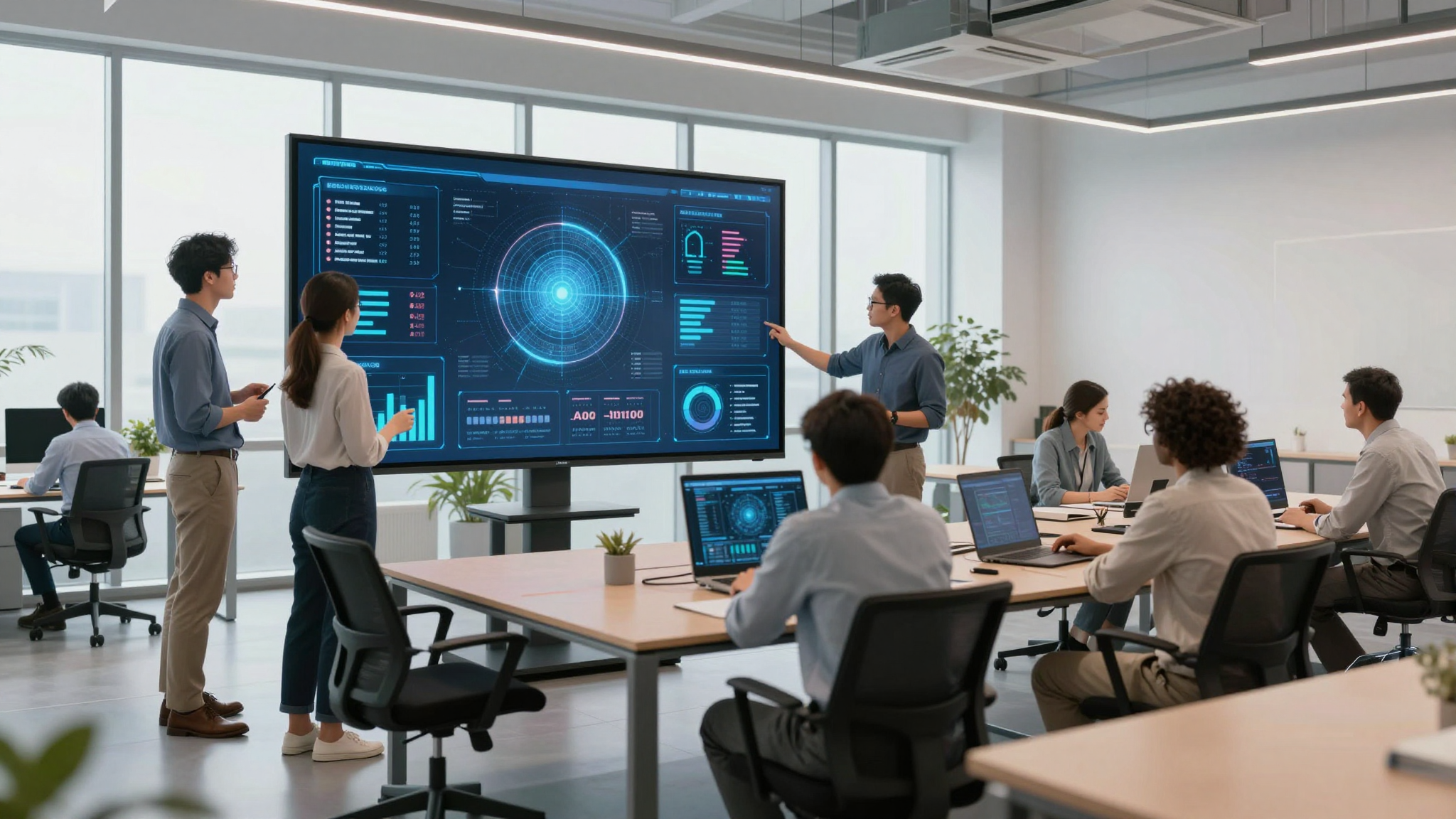
AI-driven talent acquisition promises greater efficiency but introduces the risk of algorithmic bias. Companies must prioritize fairness and transparency to avoid perpetuating inequalities and damaging their reputation.
The Transformation of Education Through AI Tutors
By 2026, AI tutors will no longer be a novelty; they'll be an integral part of the educational landscape. These AI-powered learning companions will be able to provide personalized instruction, adapt to individual learning styles, and offer real-time feedback. Imagine a student struggling with algebra receiving customized guidance and support from an AI tutor that understands their specific challenges and tailors its approach accordingly.
This has the potential to democratize education, providing access to high-quality learning resources for students regardless of their location or socioeconomic background. In developing countries, where access to qualified teachers is often limited, AI tutors could play a crucial role in bridging the education gap.
| Feature | Traditional Education | AI-Enhanced Education (2026) | Impact |
|---|---|---|---|
| Instruction | One-size-fits-all approach | Personalized instruction tailored to individual learning styles | Improved learning outcomes and increased engagement |
| Feedback | Delayed and limited feedback | Real-time feedback and adaptive learning paths | Faster progress and reduced frustration |
| Accessibility | Limited access to qualified teachers and resources | Wider access to high-quality learning resources regardless of location or socioeconomic background | Democratization of education and reduced inequality |
| Assessment | Standardized tests | Continuous assessment and personalized learning plans | More accurate evaluation of student progress and tailored support |
However, there are also concerns about the potential for over-reliance on AI and the erosion of human interaction in the classroom. It's crucial to strike a balance between leveraging the benefits of AI and preserving the essential role of teachers as mentors and facilitators of learning. If kids spend all day staring at screens, are they really learning how to be human?
Embrace AI tutors as valuable tools to enhance education, but don't let them replace human teachers. Focus on developing critical thinking skills, creativity, and social-emotional intelligence to prepare students for the future.
AI in Healthcare: From Diagnostics to Personalized Medicine
Healthcare is poised to be one of the most profoundly impacted sectors by AI in 2026. AI algorithms will be able to analyze medical images with greater accuracy and speed than human doctors, leading to earlier and more accurate diagnoses. Imagine AI detecting subtle anomalies in an X-ray that a human radiologist might miss, potentially saving a patient's life. I read a study just last week that said AI-powered diagnostic tools could reduce misdiagnosis rates by up to 30% by 2026. That's massive.
But the real game-changer will be personalized medicine. AI will be able to analyze an individual's genetic makeup, lifestyle, and medical history to develop tailored treatment plans. This means more effective treatments with fewer side effects, ultimately leading to better health outcomes. For example, AI could predict how a patient will respond to a specific chemotherapy drug based on their genetic profile, allowing doctors to choose the most effective treatment option from the outset.
| Feature | Traditional Healthcare | AI-Powered Healthcare (2026) | Impact |
|---|---|---|---|
| Diagnostics | Manual analysis of medical images and patient data | AI-powered analysis with greater accuracy and speed | Earlier and more accurate diagnoses |
| Treatment | Standardized treatment protocols | Personalized treatment plans based on individual genetic makeup and medical history | More effective treatments with fewer side effects |
| Drug Discovery | Time-consuming and expensive process | AI-powered drug discovery accelerates the process and reduces costs | Faster development of new and more effective drugs |
| Patient Monitoring | Infrequent check-ups and limited data collection | Continuous monitoring through wearable devices and AI-powered analysis | Proactive identification of health risks and personalized interventions |
However, there are also concerns about data privacy and security. The healthcare industry handles incredibly sensitive information, and a data breach could have devastating consequences. In 2026, robust security measures and strict regulations will be essential to protect patient data and maintain public trust. Imagine your entire genome being leaked onto the dark web. Scary, right?

The Evolving Landscape of AI Ethics and Regulation
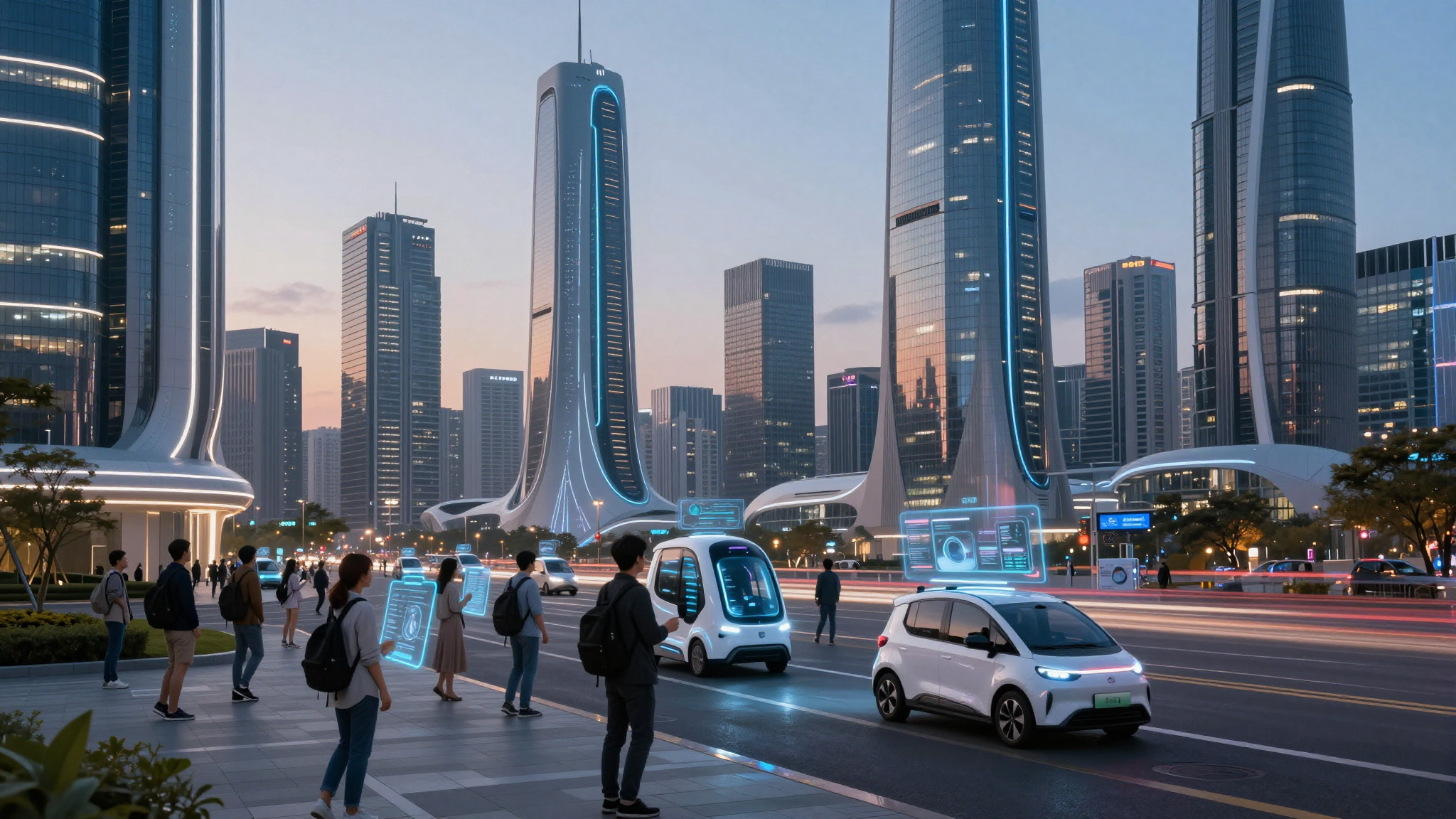
As AI becomes more pervasive in our lives, the need for ethical guidelines and regulations becomes increasingly urgent. In 2026, expect to see a flurry of activity in this area, with governments and international organizations working to establish frameworks that govern the development and deployment of AI.
One of the biggest challenges will be defining accountability. When an AI system makes a mistake, who is responsible? The developer? The user? The company that deployed the system? These are complex questions with no easy answers.
| Challenge | Description | Potential Solutions (2026) |
|---|---|---|
| Algorithmic Bias | AI systems trained on biased data perpetuate existing inequalities. | Diverse datasets, regular audits, and human oversight. |
| Accountability | Determining who is responsible when an AI system makes a mistake. | Clear legal frameworks that assign responsibility based on the specific context. |
| Data Privacy | Protecting sensitive data from unauthorized access and misuse. | Robust security measures, strict regulations, and user consent mechanisms. |
| Transparency | Understanding how AI systems make decisions. | Explainable AI (XAI) techniques and open-source algorithms. |
Transparency will also be crucial. People need to understand how AI systems are making decisions that affect their lives. This means developing explainable AI (XAI) techniques that allow us to understand the inner workings of these complex algorithms. Open-source algorithms also help.
AI ethics and regulation will be a defining issue in 2026. Establishing clear guidelines and frameworks is essential to ensure that AI is used responsibly and for the benefit of all.
AI and the Creator Economy: A Symbiotic Relationship
The creator economy will be further empowered by AI in 2026. AI-powered tools will automate tedious tasks, allowing creators to focus on what they do best: creating engaging content. Imagine an AI that can automatically edit your videos, generate compelling social media captions, or even compose original music for your content. This is already happening to some extent, but in 2026, these tools will be far more sophisticated and accessible.
AI will also help creators connect with their audience in more meaningful ways. AI-powered analytics tools will provide insights into audience preferences, allowing creators to tailor their content to specific interests. This will lead to greater engagement, stronger relationships, and ultimately, more revenue.
| Feature | Traditional Creator Workflow | AI-Enhanced Creator Workflow (2026) | Impact |
|---|---|---|---|
| Content Creation | Manual creation of videos, images, and text | AI-powered tools that automate content creation and editing | Increased efficiency and higher quality content |
| Audience Engagement | Limited insights into audience preferences | AI-powered analytics tools that provide detailed insights into audience behavior | Stronger relationships and greater engagement |
| Monetization | Limited monetization options | AI-powered platforms that optimize monetization strategies and identify new revenue streams | Increased revenue and sustainable growth |
| Marketing & Promotion | Manual marketing and promotion efforts | AI-driven marketing tools to automate posting schedules and generate ad copy. | Increased content visibility and faster audience growth. |
However, there's a risk that AI could homogenize content, leading to a lack of originality and creativity. It's important for creators to use AI as a tool, not a crutch, and to maintain their unique voice and perspective. Don't let the robots steal your soul!
Experiment with AI-powered tools to streamline your workflow and enhance your content, but don't lose sight of your unique voice and perspective. Authenticity is key to building a loyal audience.
The Augmented Workplace: How AI is Reshaping Jobs
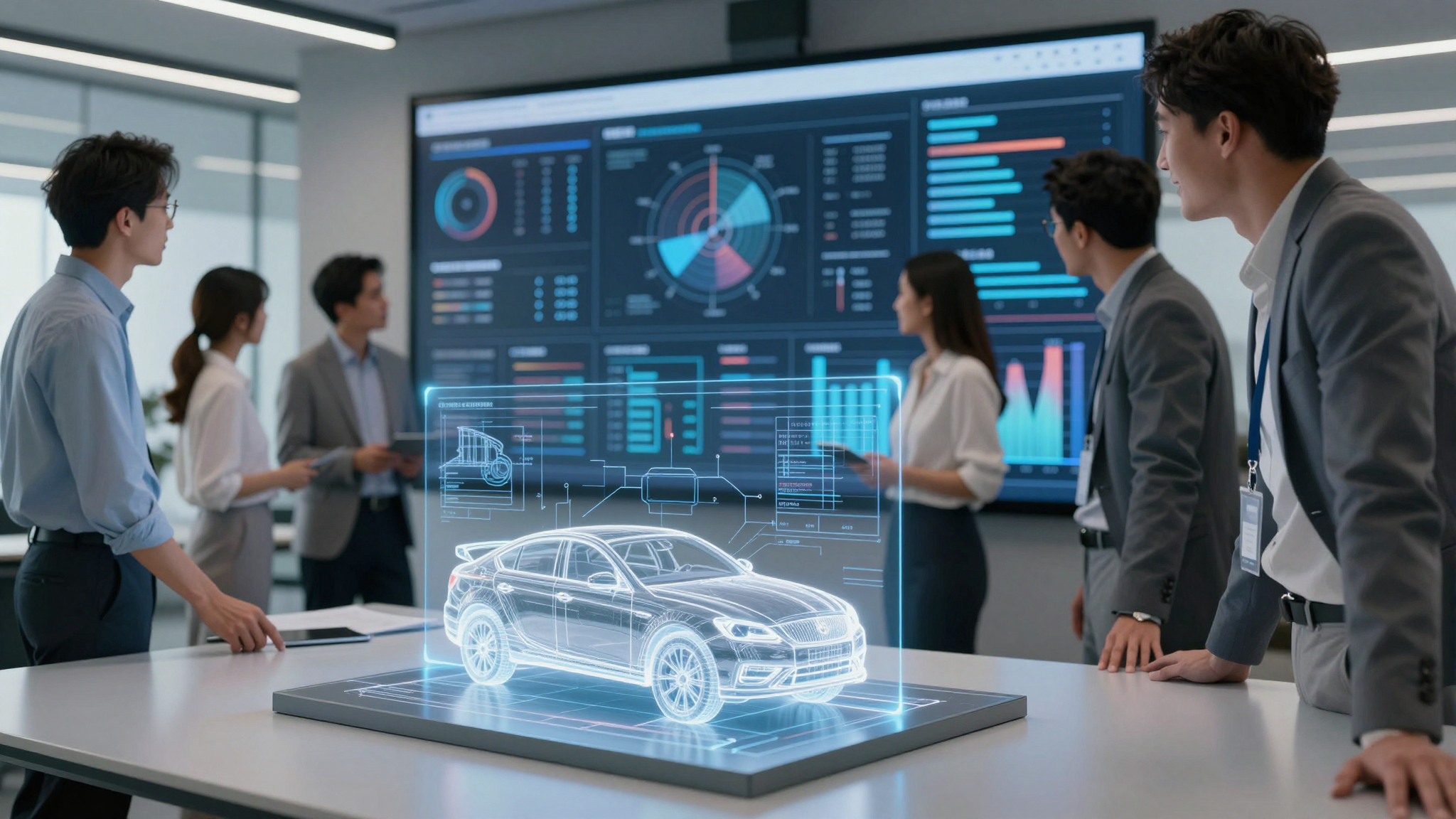
In 2026, AI will have fundamentally transformed the workplace. Many routine tasks will be automated, freeing up human workers to focus on more creative and strategic activities. Imagine accountants no longer spending hours crunching numbers, but instead using their expertise to analyze financial trends and advise on business strategy.
AI will also augment human capabilities, providing workers with real-time insights and guidance. Imagine a salesperson using an AI-powered tool that analyzes customer interactions and provides suggestions on how to close the deal. This will lead to increased productivity, improved decision-making, and a more fulfilling work experience. Sam Altman has been saying exactly this for years.
| Feature | Traditional Workplace | AI-Augmented Workplace (2026) | Impact |
|---|---|---|---|
| Task Automation | Manual execution of routine tasks | AI-powered automation of repetitive and time-consuming tasks | Increased efficiency and reduced workload for human workers |
| Decision-Making | Reliance on human intuition and experience | AI-powered tools that provide real-time insights and data-driven recommendations | Improved decision-making and reduced errors |
| Collaboration | Traditional communication methods | AI-powered collaboration platforms that facilitate seamless communication and knowledge sharing | Enhanced teamwork and improved productivity |
| Training & Development | Generic training programs | AI-driven platforms that deliver personalized training and development programs | Improved skills and greater employee satisfaction. |
However, this also raises concerns about job displacement. As AI takes over more tasks, some jobs will inevitably become obsolete. In 2026, governments and businesses will need to invest in retraining and upskilling programs to help workers adapt to the changing demands of the labor market. Otherwise, expect mass unemployment and social unrest.
The rise of AI in the workplace will lead to significant job displacement. Investing in retraining and upskilling programs is essential to help workers adapt to the changing demands of the labor market and mitigate social unrest.
The Dark Side of AI: Misinformation and Deepfakes
One of the most concerning trends in 2026 is the proliferation of AI-generated misinformation and deepfakes. These AI-powered technologies can create incredibly realistic fake videos and audio recordings, making it increasingly difficult to distinguish between what is real and what is not. Imagine a deepfake video of a political leader saying something they never said, or a fake audio recording of a CEO making a damaging admission. The potential for manipulation and disruption is enormous.
This poses a serious threat to democracy, trust in institutions, and even personal reputations. In 2026, expect to see a battle between those who are creating and spreading misinformation and those who are trying to detect and combat it. It's gonna get ugly.
| Threat | Description | Potential Solutions (2026) |
|---|---|---|
| Deepfakes | AI-generated fake videos and audio recordings. | AI-powered detection tools and media literacy education. |
| Misinformation | False or inaccurate information spread intentionally or unintentionally. | Fact-checking initiatives and stricter regulations on social media platforms. |
| AI-Powered Cyberattacks | AI is used to automate and improve the effectiveness of cyberattacks. | AI-driven cybersecurity tools and enhanced security protocols. |
| Autonomous Weapons | Weapons systems that can make decisions without human intervention. | International treaties and ethical guidelines prohibiting the development and deployment of autonomous weapons. |
🔗 Recommended Reading
- 📌 AI-Driven Distraction: How to Recalibrate Your Focus in the Age of Personalized Automation (2026)
- 📌 The AI Productivity Paradox in 2026: How Cognitive Overload Kills Output (and How to Fix It)
- 📌 Is Your AI Toolkit Actually Hurting Productivity? A 2026 Audit Checklist
- 📌 Predictive AI: Cutting Downtime Costs by 40% in Manufacturing (2026 Guide)
- 📌 Beyond Automation: Will AI-Driven Workflow Optimization Solve the 2026 Productivity Crisis?