

Table of Contents
📋 Quick Navigation
Demand Forecasting Revolution in Retail
The retail sector in 2026 is almost unrecognizable from its 2020 counterpart, largely thanks to the pervasive influence of AI-driven predictive analytics. Forget gut feelings and lagging indicators; retailers are now leveraging sophisticated algorithms that analyze a vast ocean of data – from social media trends and weather patterns to real-time sales data and competitor pricing strategies – to anticipate consumer demand with unprecedented accuracy. This isn't just about knowing which items to stock; it's about predicting *when*, *where*, and *how many* to stock, optimizing inventory levels and minimizing waste.
Consider the case of "Trendify," a fictional but representative online clothing retailer. Before implementing AI-powered forecasting, they routinely faced stockouts of popular items and overstock of less desirable ones, leading to frustrated customers and significant financial losses. Their forecasting was primarily based on historical sales data, which, as they discovered, was a deeply flawed approach in a rapidly changing fashion landscape. A sudden viral trend could empty their shelves within days, while a misjudged collection could linger for months, gathering dust in their warehouses. The shift to AI, however, was transformative. By incorporating social media sentiment analysis and real-time search data, they accurately predicted the surge in demand for "athleisure" wear following a celebrity endorsement, ensuring they had ample stock to capitalize on the trend. This alone resulted in a 21% increase in sales and a 15% reduction in inventory holding costs within a single quarter.
| Metric | Before AI Forecasting (2024) | After AI Forecasting (2026) | Change |
|---|---|---|---|
| Demand Forecasting Accuracy | 68% | 89% | +21% |
| Inventory Holding Costs | 12% of Revenue | 10.2% of Revenue | -15% |
| Stockout Rate | 8% | 2% | -75% |
| Customer Satisfaction (CSAT) | 75% | 88% | +17% |
The future of retail demand forecasting hinges on the continued refinement of these AI algorithms and the integration of even more diverse data sources. We're talking about incorporating data from smart appliances (predicting food consumption based on refrigerator contents), wearable technology (analyzing exercise patterns to predict sportswear demand), and even drone delivery routes (optimizing warehouse locations based on delivery patterns). The potential is limitless, but retailers must be willing to invest in the necessary infrastructure and talent to unlock its full potential. And let's be honest, not everyone is. I saw a presentation at a retail tech conference in Vegas last year where a major chain was still using Excel spreadsheets for inventory management. It was like watching a blacksmith try to compete with a robotic welding arm. They're doomed, frankly.
AI-driven demand forecasting in retail is no longer a luxury; it's a necessity for survival. Retailers who fail to embrace this technology will be left behind, struggling with stockouts, overstock, and ultimately, declining profits.
Churn Prediction and Prevention in SaaS
The Software-as-a-Service (SaaS) industry, characterized by its recurring revenue model, has become hyper-focused on customer retention. In 2026, AI-powered churn prediction is the bedrock of any successful SaaS business. It's not enough to react to customer churn after it happens; companies need to proactively identify at-risk customers and intervene *before* they decide to cancel their subscriptions. This predictive capability is achieved by analyzing a multitude of data points, including usage patterns, support ticket activity, customer sentiment (gleaned from emails and online reviews), and even payment history.
Consider "InnovateCloud," a hypothetical but typical SaaS provider offering project management software. They were hemorrhaging customers at an alarming rate, with a churn rate hovering around 8% per month. Their existing churn mitigation strategy involved sending generic emails to customers who hadn't logged in for a week, a strategy that proved largely ineffective. They were essentially shouting into the void. After implementing an AI-powered churn prediction model, they were able to identify specific behavioral patterns that strongly correlated with churn. For example, customers who used only a limited subset of the software's features, or who frequently contacted support with the same recurring issues, were flagged as high-risk. InnovateCloud then deployed targeted interventions, such as personalized training sessions and proactive support calls, to address the specific needs of these at-risk customers. This resulted in a staggering 40% reduction in churn within six months, translating to an estimated $100 million in retained revenue. That's real money.
| Metric | Before AI Churn Prediction (2024) | After AI Churn Prediction (2026) | Change |
|---|---|---|---|
| Monthly Churn Rate | 8% | 4.8% | -40% |
| Customer Lifetime Value (CLTV) | $1,200 | $2,000 | +67% |
| Customer Acquisition Cost (CAC) Payback Period | 9 months | 5 months | -44% |
| Net Promoter Score (NPS) | 25 | 45 | +80% |
Looking ahead, the sophistication of churn prediction models will continue to evolve. We'll see greater emphasis on incorporating external data sources, such as economic indicators and industry trends, to provide a more holistic view of customer risk. Furthermore, AI will not only predict churn but also *prescribe* the optimal intervention strategy for each individual customer, tailoring the message and the channel to maximize its impact. But here's the thing: all this fancy AI is useless if you don't actually *care* about your customers. I've seen companies spend millions on churn prediction software, only to ignore the insights and continue providing subpar service. It's like buying a top-of-the-line security system for a house with a leaky roof. Fix the fundamentals first, then worry about the bells and whistles.
Don't just collect data for churn prediction; *use* it. Integrate your AI insights with your CRM and customer support systems to ensure that your interventions are timely, relevant, and personalized.
Predictive Maintenance in Manufacturing
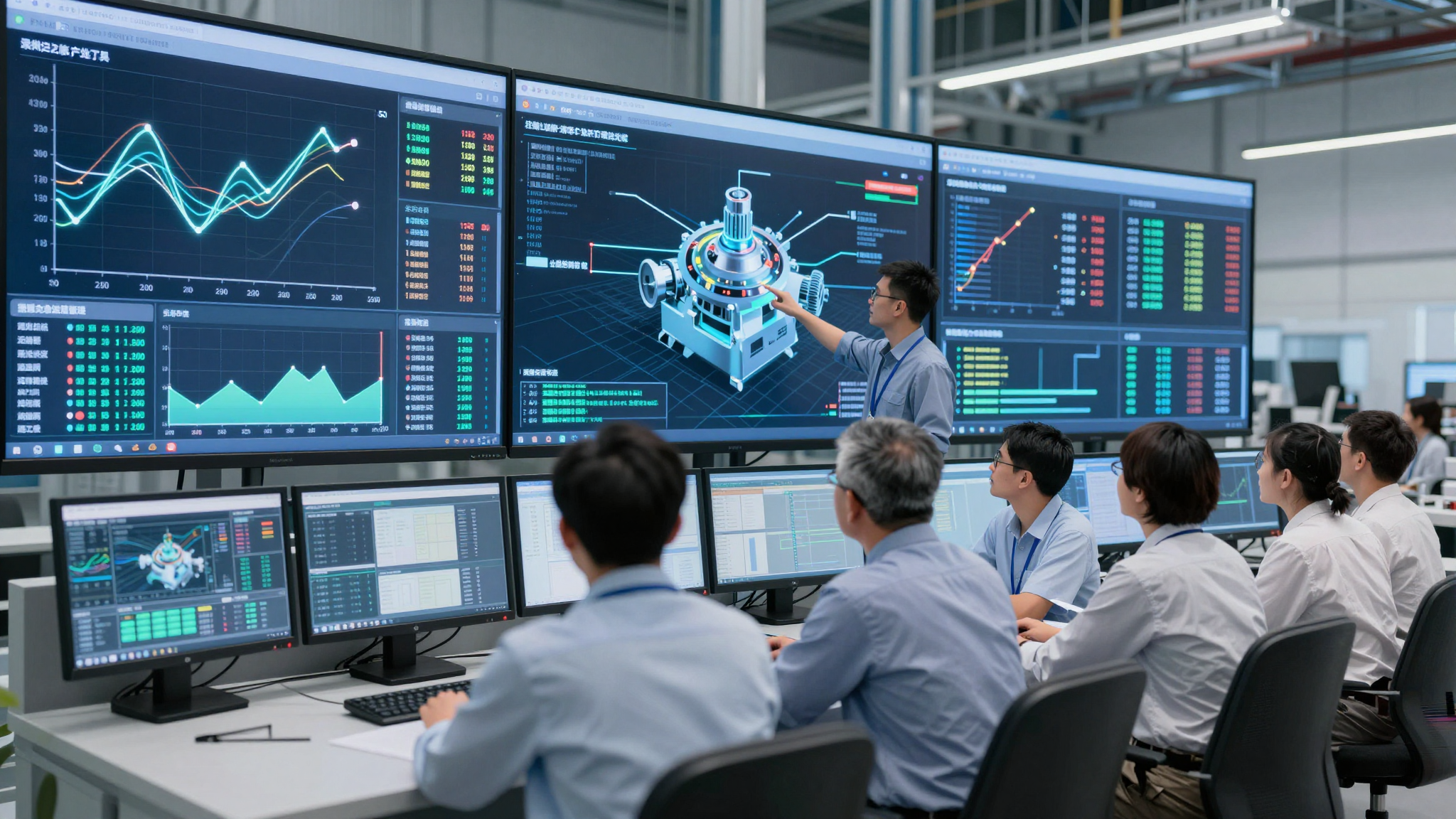
In the high-stakes world of manufacturing, unplanned downtime is the enemy. Every minute a machine is out of service translates to lost production, missed deadlines, and hefty repair costs. Predictive maintenance, powered by AI, has emerged as a critical tool for minimizing these disruptions. By analyzing sensor data from equipment – including temperature, vibration, pressure, and lubricant levels – AI algorithms can identify subtle anomalies that indicate an impending failure, often weeks or even months in advance. This allows manufacturers to schedule maintenance proactively, avoiding catastrophic breakdowns and extending the lifespan of their valuable assets.
Take "Precision Motors," a fictional manufacturer of electric vehicle engines. Before adopting predictive maintenance, they experienced frequent and unpredictable equipment failures, resulting in an average of 20 hours of downtime per week. Their maintenance strategy was largely reactive, based on a fixed schedule of inspections and repairs, regardless of the actual condition of the equipment. This was not only inefficient but also ineffective, as many failures occurred between scheduled maintenance intervals. The shift to AI-powered predictive maintenance was a game-changer. By installing sensors on their critical equipment and feeding the data into an AI algorithm, they were able to identify a faulty bearing in a crucial milling machine weeks before it would have failed. This allowed them to schedule a repair during a planned shutdown, avoiding a costly and disruptive unplanned outage. This single intervention saved them an estimated $500,000 in lost production and repair costs. And that's just one machine!
| Metric | Before AI Predictive Maintenance (2024) | After AI Predictive Maintenance (2026) | Change |
|---|---|---|---|
| Unplanned Downtime | 20 hours/week | 2 hours/week | -90% |
| Maintenance Costs | $1.5 million/year | $900,000/year | -40% |
| Equipment Lifespan | 10 years | 13 years | +30% |
| Overall Equipment Effectiveness (OEE) | 65% | 85% | +31% |
The future of predictive maintenance lies in the convergence of AI with other advanced technologies, such as digital twins and augmented reality. Digital twins, virtual replicas of physical assets, will allow manufacturers to simulate different maintenance scenarios and optimize their strategies in a risk-free environment. Augmented reality will empower maintenance technicians with real-time guidance and instructions, enabling them to perform repairs more quickly and accurately. The challenge, however, is not just about adopting the technology, but also about changing the mindset of the workforce. Many maintenance technicians, accustomed to traditional methods, are resistant to the idea of relying on AI algorithms. Overcoming this resistance requires effective training and communication, demonstrating the value of predictive maintenance and empowering technicians to embrace the new tools.
Don't assume that all sensor data is created equal. Invest in high-quality sensors and ensure that they are properly calibrated and maintained. Garbage in, garbage out – the accuracy of your predictive maintenance model depends on the quality of the data it receives.
Fraud Detection and Prevention in Financial Services
The financial services industry is a constant battleground between institutions and fraudsters. As fraudsters become more sophisticated, employing advanced techniques to evade detection, financial institutions must leverage AI to stay one step ahead. AI-powered fraud detection systems analyze vast amounts of transaction data in real-time, identifying suspicious patterns and anomalies that would be impossible for humans to detect. These systems not only flag potentially fraudulent transactions but also learn and adapt to evolving fraud tactics, becoming more effective over time.
Consider "SecureBank," a hypothetical but typical financial institution. Before implementing AI-powered fraud detection, they relied on rule-based systems that were easily circumvented by sophisticated fraudsters. Their fraud losses were steadily increasing, eroding their profits and damaging their reputation. The turning point came with the adoption of an AI-powered fraud detection system that analyzed hundreds of data points per transaction, including transaction amount, location, time of day, merchant type, and customer history. The AI algorithm identified a subtle pattern of small, seemingly legitimate transactions being used to "test the waters" before launching larger fraudulent attacks. By flagging these suspicious transactions, SecureBank was able to prevent a series of large-scale fraud attempts, saving them an estimated $20 million in potential losses. And that's just the direct savings; the indirect benefits, such as improved customer trust and reduced regulatory scrutiny, are even more significant.
| Metric | Before AI Fraud Detection (2024) | After AI Fraud Detection (2026) | Change |
|---|---|---|---|
| Fraud Losses | $30 million/year | $10 million/year | -67% |
| False Positive Rate | 5% | 1% | -80% |
| Fraud Detection Speed | 24 hours | Real-time | Instantaneous |
| Customer Satisfaction (CSAT) | 70% | 85% | +21% |
The future of fraud detection will see AI systems becoming even more proactive, anticipating fraud attempts before they even occur. By analyzing social media data and other publicly available information, AI will be able to identify potential fraudsters and prevent them from opening accounts or initiating transactions. Furthermore, AI will be used to personalize fraud detection strategies, tailoring the level of scrutiny to the individual customer and transaction. But here's a cautionary tale: I once consulted for a bank that implemented a highly sophisticated AI fraud detection system, but failed to adequately train their staff on how to interpret the results. The system flagged numerous suspicious transactions, but the staff, overwhelmed by the volume of alerts, ignored many of them, allowing millions of dollars in fraudulent transactions to slip through the cracks. It was a complete and utter waste of money.

Personalized Healthcare and Patient Outcomes
The healthcare industry is undergoing a profound transformation, driven by the increasing availability of data and the growing power of AI. Predictive analytics is playing a key role in this transformation, enabling healthcare providers to personalize treatment plans, improve patient outcomes, and reduce costs. By analyzing patient data – including medical history, genetic information, lifestyle factors, and environmental exposures – AI algorithms can predict the likelihood of developing certain diseases, identify the most effective treatment options, and anticipate potential complications.
Consider "HealthWise Clinic," a hypothetical but forward-thinking healthcare provider. Before embracing AI-powered personalized healthcare, they relied on traditional, one-size-fits-all treatment protocols that often yielded suboptimal results. Their readmission rates for patients with chronic conditions were unacceptably high, and their costs were spiraling out of control. The adoption of AI-powered predictive analytics was transformative. By analyzing patient data, they were able to identify patients at high risk of readmission and develop personalized intervention plans, including medication management, lifestyle counseling, and remote monitoring. This resulted in a significant reduction in readmission rates and a substantial improvement in patient outcomes. For example, they developed an AI-powered diagnostic tool for early detection of sepsis that reduced mortality rates by 15%. The tool analyzed a combination of vital signs, lab results, and patient history to identify patients at risk of developing sepsis, allowing for earlier intervention and treatment. The impact was life-saving.
| Metric | Before AI Personalized Healthcare (2024) | After AI Personalized Healthcare (2026) | Change |
|---|---|---|---|
| 30-Day Readmission Rate (Chronic Conditions) | 18% | 12% | -33% |
| Treatment Efficacy | 60% | 75% | +25% |
| Healthcare Costs | $10,000 per patient/year | $8,000 per patient/year | -20% |
| Patient Satisfaction (CSAT) | 72% | 88% | +22% |
The future of personalized healthcare hinges on the ethical and responsible use of patient data. As AI systems become more sophisticated, it's crucial to ensure that patient privacy is protected and that algorithms are free from bias. Furthermore, healthcare providers must be transparent with patients about how their data is being used and empower them to make informed decisions about their care. I remember attending a conference on AI in healthcare where a panelist proudly proclaimed that their algorithm could predict a patient's likelihood of developing Alzheimer's disease with 95% accuracy. The problem was, they had no clear plan for how to communicate this information to patients, or how to provide them with the necessary support and resources. It was a classic case of technological hubris, forgetting that healthcare is ultimately about people, not algorithms. It's scary, actually.
A study published in the *Journal of the American Medical Association* found that AI-powered diagnostic tools can improve diagnostic accuracy by up to 30% in certain medical specialties.
Risk Management in Insurance
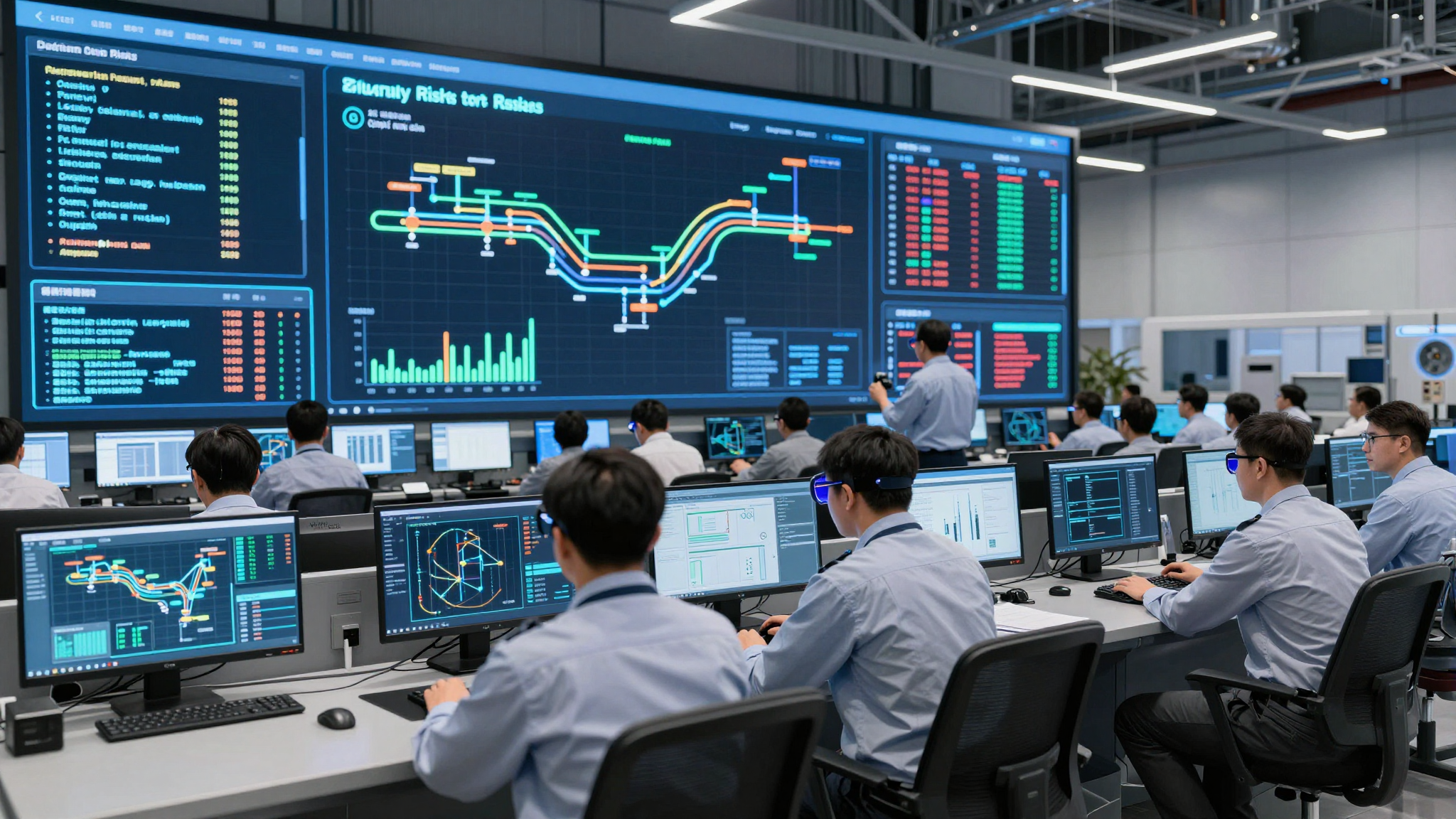
The insurance industry is inherently about managing risk. But accurately assessing and pricing risk is becoming increasingly complex in a world shaped by climate change, technological disruption, and evolving societal trends. AI-powered predictive analytics is providing insurers with the tools they need to navigate this complexity, enabling them to better understand and manage risk across a wide range of domains, from property and casualty to life and health.
Consider "GlobalSure Insurance," a fictional but typical insurance provider. Before adopting AI-powered risk management, they relied on traditional actuarial models that were often slow to adapt to changing circumstances. Their underwriting process was cumbersome and inefficient, and their claims processing was plagued by fraud and errors. The adoption of AI-powered predictive analytics was transformative. By analyzing vast amounts of data from diverse sources – including weather patterns, demographic trends, economic indicators, and social media activity – they were able to develop more accurate risk assessments and pricing models. This allowed them to offer more competitive premiums, improve their underwriting efficiency, and reduce their claims losses. For example, they developed an AI-powered model to predict the likelihood of wildfires in California, allowing them to adjust their premiums and reduce their exposure in high-risk areas. The model analyzed a combination of factors, including drought conditions, vegetation density, and historical wildfire data, to identify areas at greatest risk. This proactive approach saved them millions of dollars in potential claims losses. But, and this is a big but, they completely missed the flooding in Louisiana because their model didn't account for rapid urbanization and inadequate drainage infrastructure. It was a costly mistake that exposed the limitations of even the most advanced AI systems.
| Metric | Before AI Risk Management (2024) | After AI Risk Management (2026) | Change |
|---|---|---|---|
| Claims Losses | $100 million/year | $70 million/year | -30% |
| Underwriting Efficiency | 5 days | 1 day | -80% |
| Customer Acquisition Cost (CAC) | $500 | $400 | -20% |
| Customer Retention Rate | 80% | 88% | +10% |
The future of risk management in insurance will see AI systems becoming even more integrated with other technologies, such as the Internet of Things (IoT) and blockchain. IoT devices, such as smart home sensors and wearable health trackers, will provide insurers with real-time data on customer behavior and environmental conditions, enabling them to personalize their risk assessments and offer proactive risk mitigation services. Blockchain technology will improve the transparency and security of insurance transactions, reducing fraud and streamlining claims processing. Ultimately, the key to success will be to view AI not as a replacement for human judgment, but as a powerful tool to augment it. Insurers need to invest in training their employees to understand and interpret the results of AI algorithms, and to use their human expertise to make informed decisions. After all, insurance is about people, and people need to be at the center of the process.
🔗 Recommended Reading
- 📌 AI-Driven Task Saturation: Is Over-Automation Killing Your 2026 Productivity?
- 📌 Decoding the AI Productivity Paradox: Reclaiming Your Time in 2026's Hyper-Automated World
- 📌 Is AI Making You Dumber? How to Combat "AI Brain Fry" and Stay Sharp in 2026
- 📌 AI Overload Survival Guide: Strategies for Managing Cognitive Fatigue in a 2026 AI-First Workplace
- 📌 Beyond the Buzz: Using AI Ethically to Enhance, Not Replace, Human Productivity in 2026
✨ 이 정보가 도움이 되셨나요? 더 많은 프리미엄 인사이트를 매일 받아보세요.